Sofia Bauer · 2 November 2026
Trail-Based Sorting Strategies for Optimizing Large-Scale Inventory Tracking in Retail Logistics
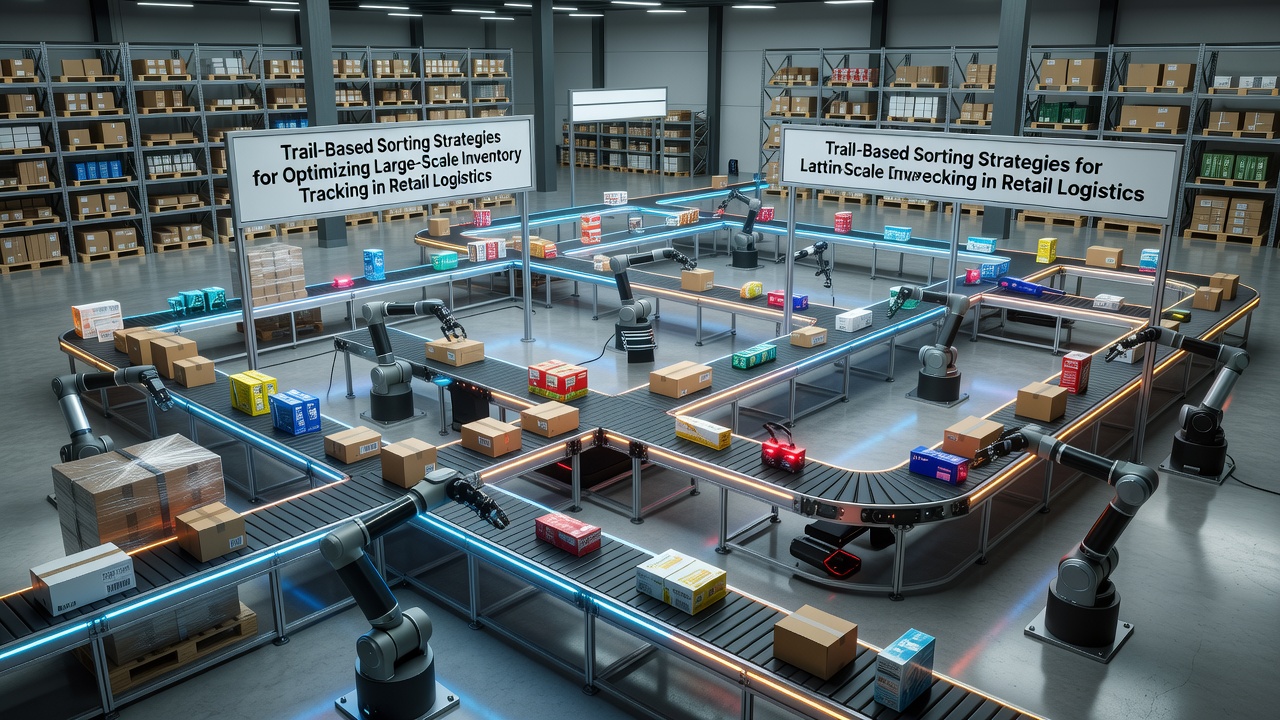
Retail logistics operations rely on systematic approaches to manage inventory across expansive warehouse networks and distribution centers where thousands of stock keeping units move daily. Trail-based sorting strategies organize these movements by mapping sequential pathways that items follow from receiving docks through storage zones to outbound staging areas and this method records each step as a traceable trail that systems use to update location data in real time. Researchers at supply chain institutions have documented how such trails reduce misplacement rates by aligning physical item flows with digital records through continuous path validation.
Core Mechanics of Trail Mapping in Warehouse Environments
Operators implement trail mapping by assigning unique identifiers to each inventory batch then logging every transition along predefined or dynamically generated routes using barcode scanners and radio frequency identification readers. These trails create chronological sequences that software platforms analyze to predict optimal next locations based on historical velocity data and demand patterns. When an item deviates from its expected trail the system flags the anomaly immediately which allows staff to intervene before discrepancies accumulate across large inventories. Data from operations in major retail networks shows that this sequential tracking integrates well with existing enterprise resource planning tools without requiring complete infrastructure overhauls.
Integration with Large-Scale Tracking Systems
Modern inventory platforms combine trail data with sensor networks positioned along conveyor lines and shelving aisles to maintain accuracy during peak periods such as holiday restocking cycles. Each trail segment contributes to a cumulative profile that algorithms evaluate for congestion points where multiple items converge on the same path and rerouting suggestions emerge automatically from these evaluations. Observers note that facilities handling over one million units monthly report improved throughput when trails incorporate both static layout constraints and variable factors like staff shift changes. According to figures from Statistics Canada retail logistics reports coordinated trail systems correlate with lower stockout incidents in Canadian distribution hubs during high-volume seasons.
Technological Components Supporting Trail Execution
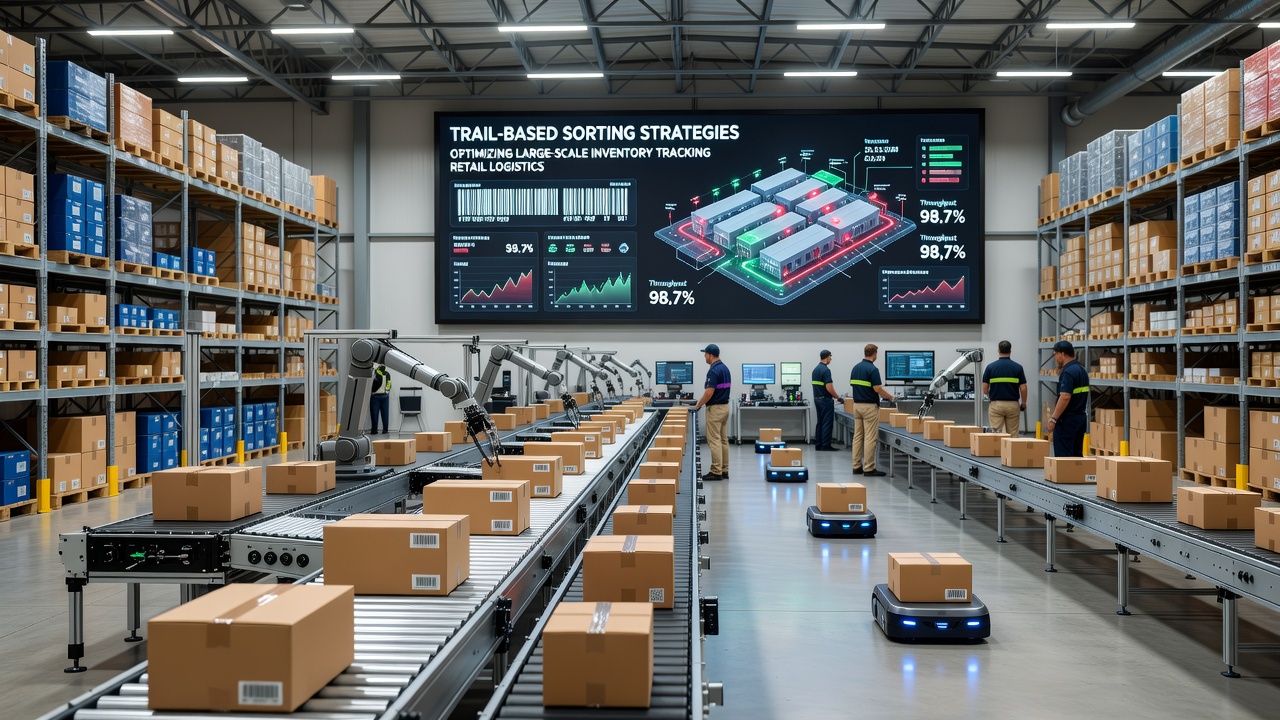
Hardware elements include handheld terminals that capture trail start and end points while software layers process the resulting datasets through graph-based models that treat pathways as edges connecting inventory nodes. These models update in batches every few minutes during active shifts which keeps the digital twin of the warehouse synchronized with physical conditions. Integration with warehouse management software allows trail-based alerts to appear on worker dashboards so teams can adjust picks and puts without halting overall operations. Studies conducted by European logistics research groups indicate that facilities adopting these layered approaches achieve consistent data integrity levels above 98 percent across multi-site networks.
Regional Applications and Performance Metrics
North American retailers have applied trail-based methods to handle seasonal surges in apparel and electronics categories where rapid restocking cycles demand precise location updates. In contrast Australian distribution centers have adapted similar frameworks to manage longer transit trails associated with remote fulfillment points and reports from the Australian Bureau of Statistics highlight measurable reductions in inventory shrinkage under these adapted conditions. European operators meanwhile incorporate regulatory compliance data into trail records to satisfy traceability requirements for perishable goods. Performance indicators tracked across these regions include trail completion rates and average time from receipt to putaway which together provide benchmarks for ongoing system refinements.
Challenges in Scaling Trail-Based Approaches
High item diversity can create overlapping trails that require sophisticated conflict resolution protocols within the sorting software and legacy equipment sometimes lacks the resolution needed to capture fine-grained path data. Facilities address these issues by phasing in upgraded readers at critical junctions while maintaining parallel manual verification for high-value stock. Research indicates from academic supply chain analyses that phased rollouts limit disruption to daily throughput and allow teams to refine trail definitions based on actual movement patterns observed over several weeks.
Future Developments Anticipated by 2026
Industry projections point toward greater incorporation of machine learning models that refine trail recommendations from aggregated path histories across multiple facilities and these enhancements could support predictive adjustments ahead of known demand spikes. By November 2026 several retail networks plan expanded pilot programs that test autonomous guided vehicles operating along dynamically generated trails derived from real-time sensor inputs. Such developments build on current graph modeling techniques while addressing scalability limits that surface when inventory volumes exceed current system capacities.
Conclusion
Trail-based sorting strategies deliver structured pathways that align physical inventory movement with digital tracking systems in retail logistics operations and organizations continue to refine these methods through incremental hardware upgrades and software enhancements. Regional data sources including government statistical agencies demonstrate consistent performance gains when trails account for both layout constraints and operational variables. Continued evolution in sensor integration and algorithmic processing supports broader adoption across diverse retail environments.